

The Right Thousand
Why Studio Deiora would rather find the right thousand readers than chase the widest possible audience, and what that means for how we choose and shape the books we publish.

Why We Still Read Blind and Look for the Voice
Everyone in publishing is talking about AI this year. New tools promise to write a first draft overnight and polish a manuscript by morning. Some of the editing tools are genuinely useful. Most of it is noise.

Real voices in an AI-flooded year
The written word got more plentiful and less human this year. A small independent imprint on why a real, particular voice has quietly become the rarest thing on the shelf.
Why the memoir told in stories is having its moment
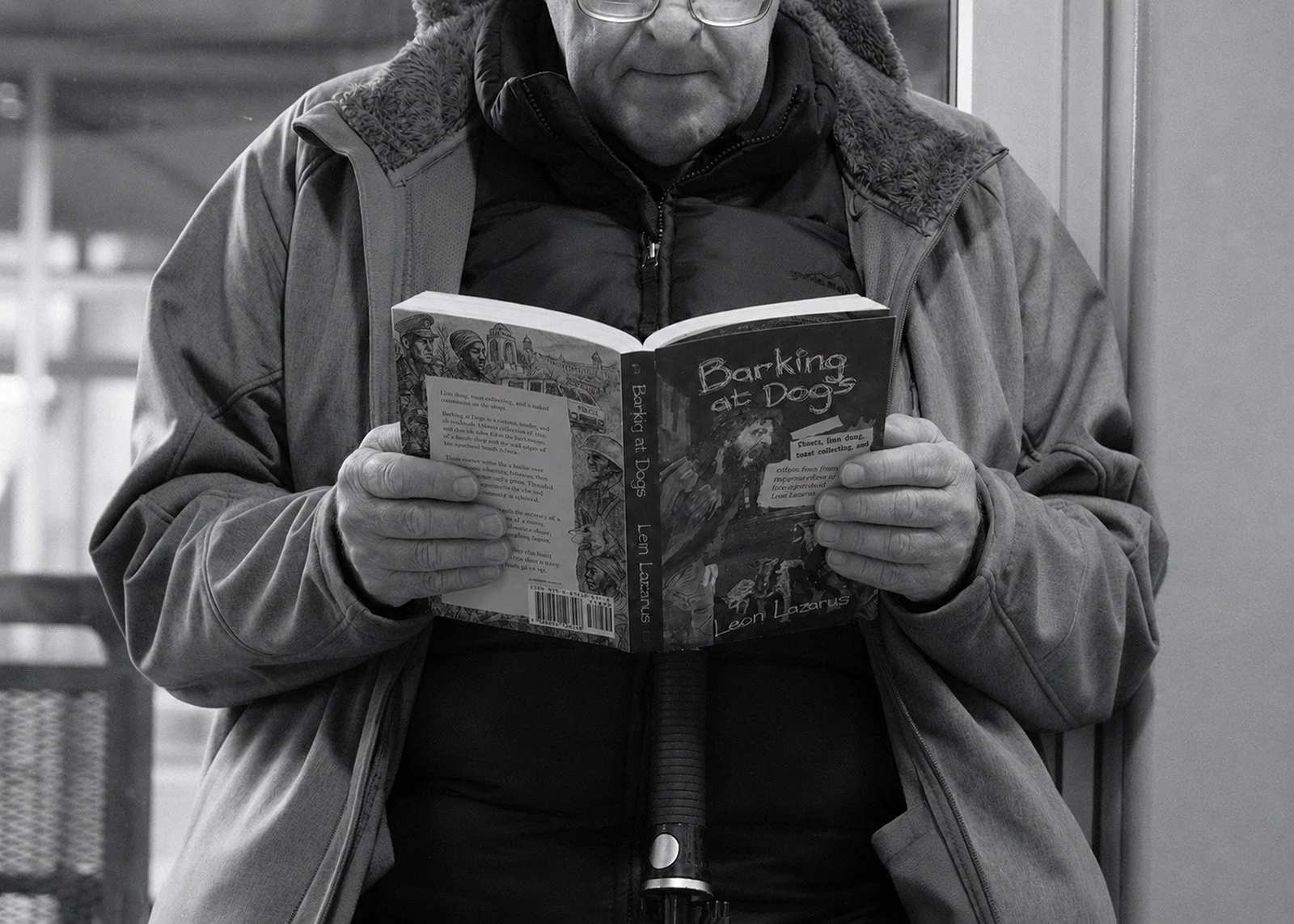
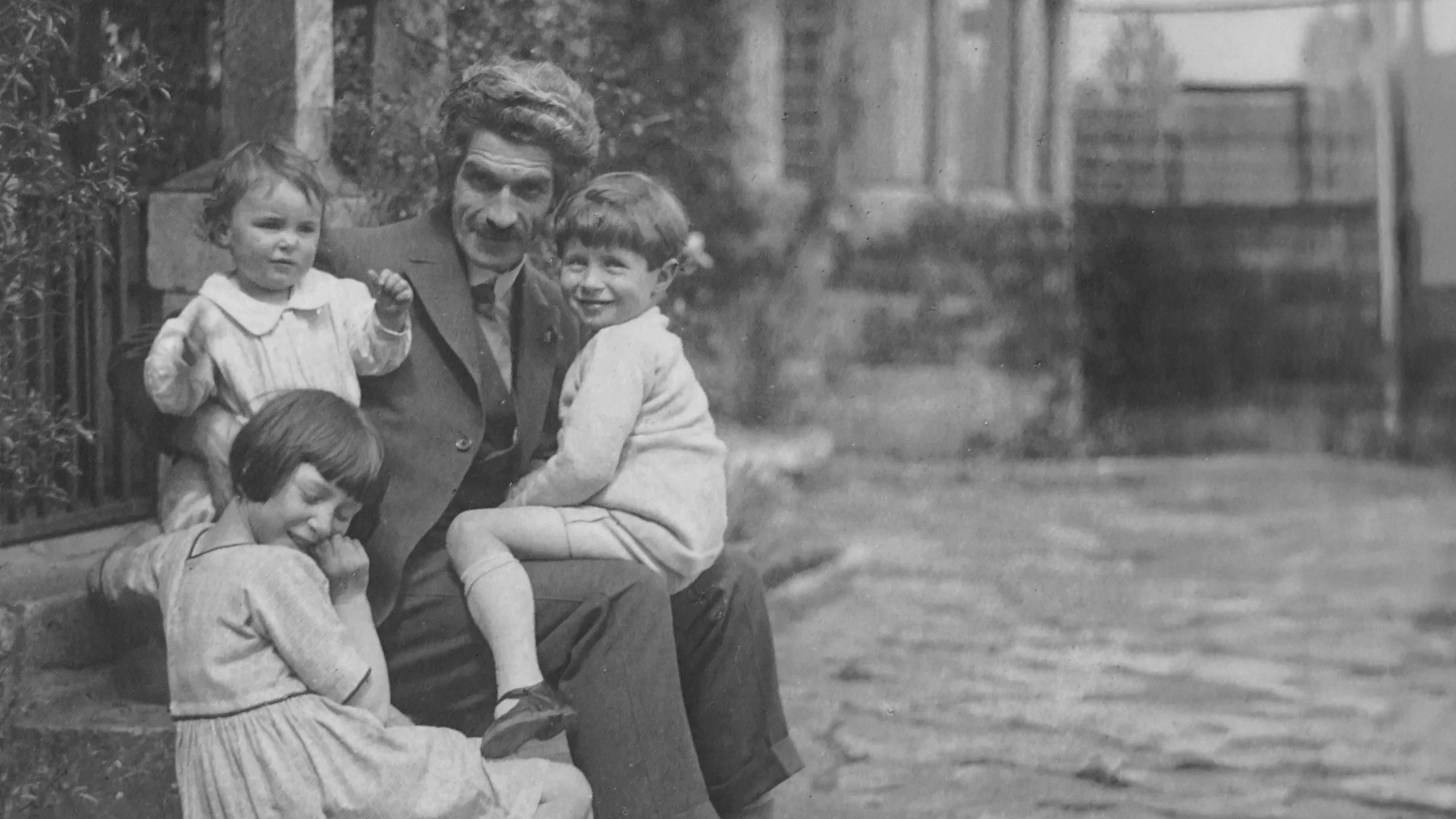
There is a particular kind of book taking up more and more room on the shelves this year. It isn’t the doorstop autobiography that marches from birth to the present in strict order. It isn’t the single dramatic confession stretched thin across three hundred pages either. It is the memoir told in stories, a life delivered in pieces, each one able to stand on its own, that quietly adds up to something bigger once you have sat with the whole.

Doing Small Press Math
Choose non-returnable and you keep your costs predictable, but you make yourself harder to stock. Most bookstores, chains and independents alike, are reluctant to shelve a book they can’t send back. Taking a chance on an unknown author is easier to justify when the risk belongs to someone else.
Choose returnable and you become easy to order, and you take on that risk yourself. If a store returns unsold copies, you can have them shipped back to you at the wholesale cost plus a few dollars a book in handling, or you can have them pulped and pay only the wholesale cost. Either way, you have already paid to print books that came back. And there is a sting in the tail. In any month where returns run ahead of sales, the platform can simply invoice you the difference. It is entirely possible to have a good month on paper and owe money at the end of it.
The Quiet Boom
The story people tell about independent publishing is usually a story about volume, and the volume is real. More than three and a half million self-published titles appeared last year, and the number climbs every year. In the United States, books brought out through indie channels now outnumber those from the traditional houses by a wide margin — not a rounding error, an order of magnitude.
Volume, though, is the least interesting thing about it. The interesting question is who is choosing this road, and why.
For decades "self-published" carried a quiet asterisk. It described a writer who couldn't get in the front door and slipped around the back, and the reputation was, frankly, earned — plenty of what got printed should have stayed in the drawer. What has shifted in the 2020s isn't mainly that the door swung open. It's that more writers who could get through the front door are deciding not to knock.