

Why the memoir told in stories is having its moment
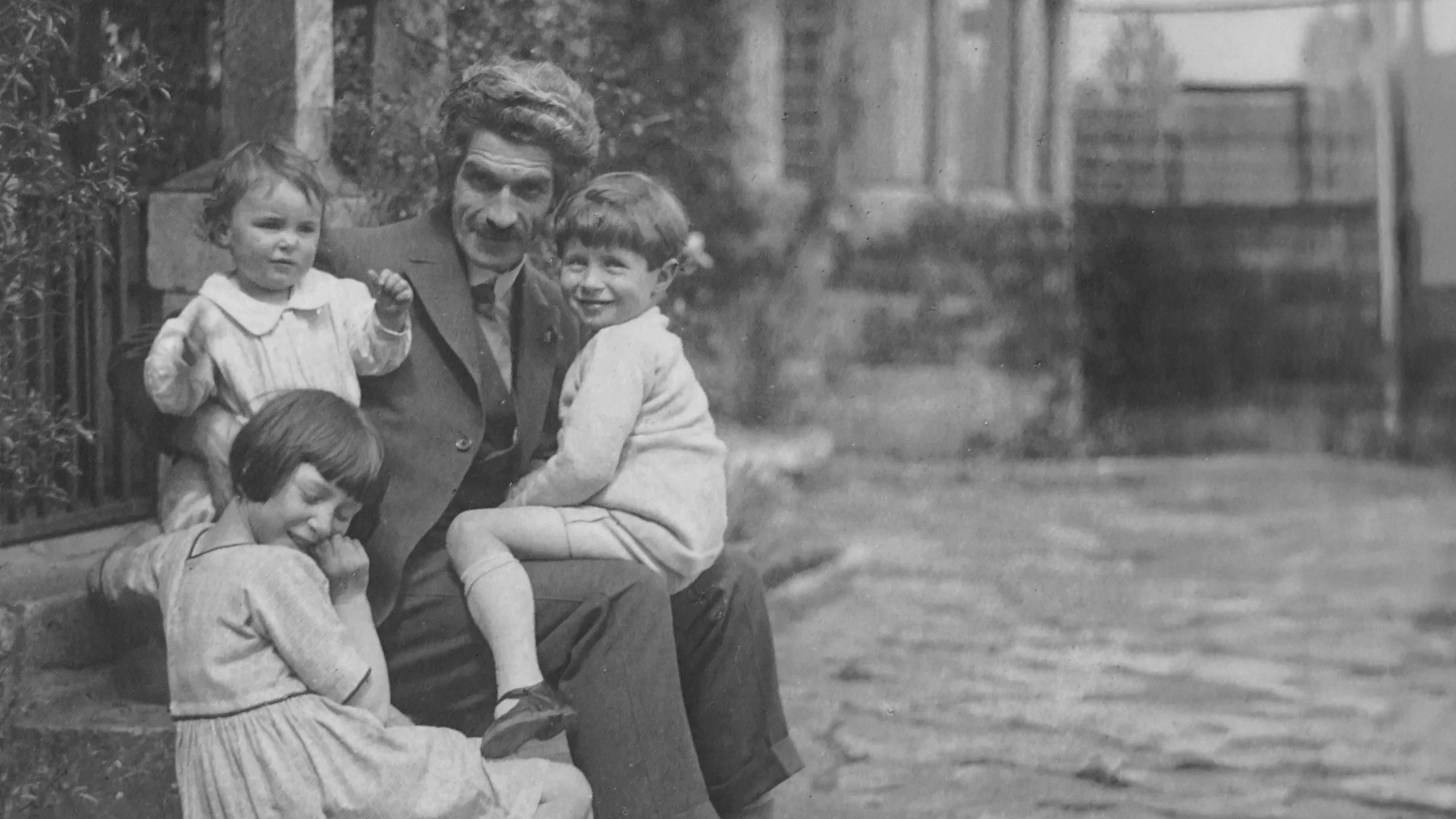
There is a particular kind of book taking up more and more room on the shelves this year. It isn’t the doorstop autobiography that marches from birth to the present in strict order. It isn’t the single dramatic confession stretched thin across three hundred pages either. It is the memoir told in stories, a life delivered in pieces, each one able to stand on its own, that quietly adds up to something bigger once you have sat with the whole.
Publishers have noticed, and so have readers. Memoir is one of the fastest growing categories going into 2026, and inside that surge the linked, story-shaped memoir is where a lot of the energy is. People want a true life, but they want it in a form they can actually finish.
We think there are a few reasons the form has found its moment, and most of them come down to how we read now, and how memory actually works.
We read in fragments, and that is not a bad thing
Most reading happens in the cracks of a day. On a train, in a waiting room, in the ten minutes before sleep when a long unbroken chapter feels like a commitment you are too tired to make. A memoir built from complete short pieces meets people exactly where they are. You can read one story tonight and another next week, and neither one leaves you stranded halfway up a narrative staircase.
Librarians have quietly understood this for a while. Look at the reading lists coming out of public libraries and you will find whole shelves devoted to funny memoirs and life stories you can dip into, the sort of book you press on a friend by reading them one chapter aloud. That is the story-shaped memoir doing its job. It travels well, and it gets talked about.
Memory doesn’t come back in a straight line
Here is the deeper reason we love the form at Studio Deiora. A life does not actually arrive in chronological order. It comes back to you in scenes. A smell in a car park, a particular light, a voice you haven’t thought about in years, and suddenly you are somewhere else entirely, reliving a moment with more detail than you can explain.
The memoir in stories is honest to that. Instead of pretending a life is a tidy road from A to B, it trusts the reader to feel the connections between one piece and the next. The gaps are doing work. What sits in the white space between two stories is often where the real feeling lives, and a good collection lets you find it yourself rather than spelling it out.
That is also why the form rewards voice so much. When each story has to stand alone, there is nowhere to hide. The writing carries it or it doesn’t. For a house that reads blind to everything except whether the work moves us, that is exactly the kind of book we look for. Why else would we want to invest years working on publishing and promoting any one book?
Real voices matter more in a year full of the fake ones
There is one more thing worth naming. This is a year when a great deal of writing is being generated by machines, smoothed out, made frictionless, made forgettable. In that flood, a genuinely particular human voice becomes something rare and valuable. Not a voice that sounds like everyone. A voice that could only belong to one person, telling you about a place only they can take you.
That is really our whole reason for being. We publish voice-driven books with a strong sense of place, and we make each one with care. We are small on purpose, because the point was never to publish a lot. It was to publish the ones we fall in love with, the ones whose voice earns your precious time. The memoir told in stories, done well, is one of the purest examples of what we mean. It is voice and place and truth, delivered in a shape built for how people actually live and read.
A book in exactly this shape
We will admit a personal stake here. Our next book is a memoir in stories, and watching this form come into its moment has been a quiet pleasure.
Barking at Dogs by Leon Lazarus is a set of funny, sharp, tender true stories about growing up on the edge of white suburbia, and later going into business, in late-apartheid South Africa. A country, as Leon puts it, that was absurd and somewhat insane in ways you had to be there to believe. The comedy in these pages lives in the country and the situation, never in letting anyone off the hook, least of all the author. As his own logline warns, he has changed the names to protect the guilty.
There are ghosts in a haunted hotel. There is a story that grew into an urban legend and eventually got itself tested on television. There are bags of lion dung and awful old friends and wonderful cars. Each piece stands on its own, and together they build a portrait of a strange time and place you will not easily shake.
It publishes on 30 September 2026. If the story-shaped memoir has been finding its way onto your bedside table this year, this is one to watch for.