

The Right Thousand
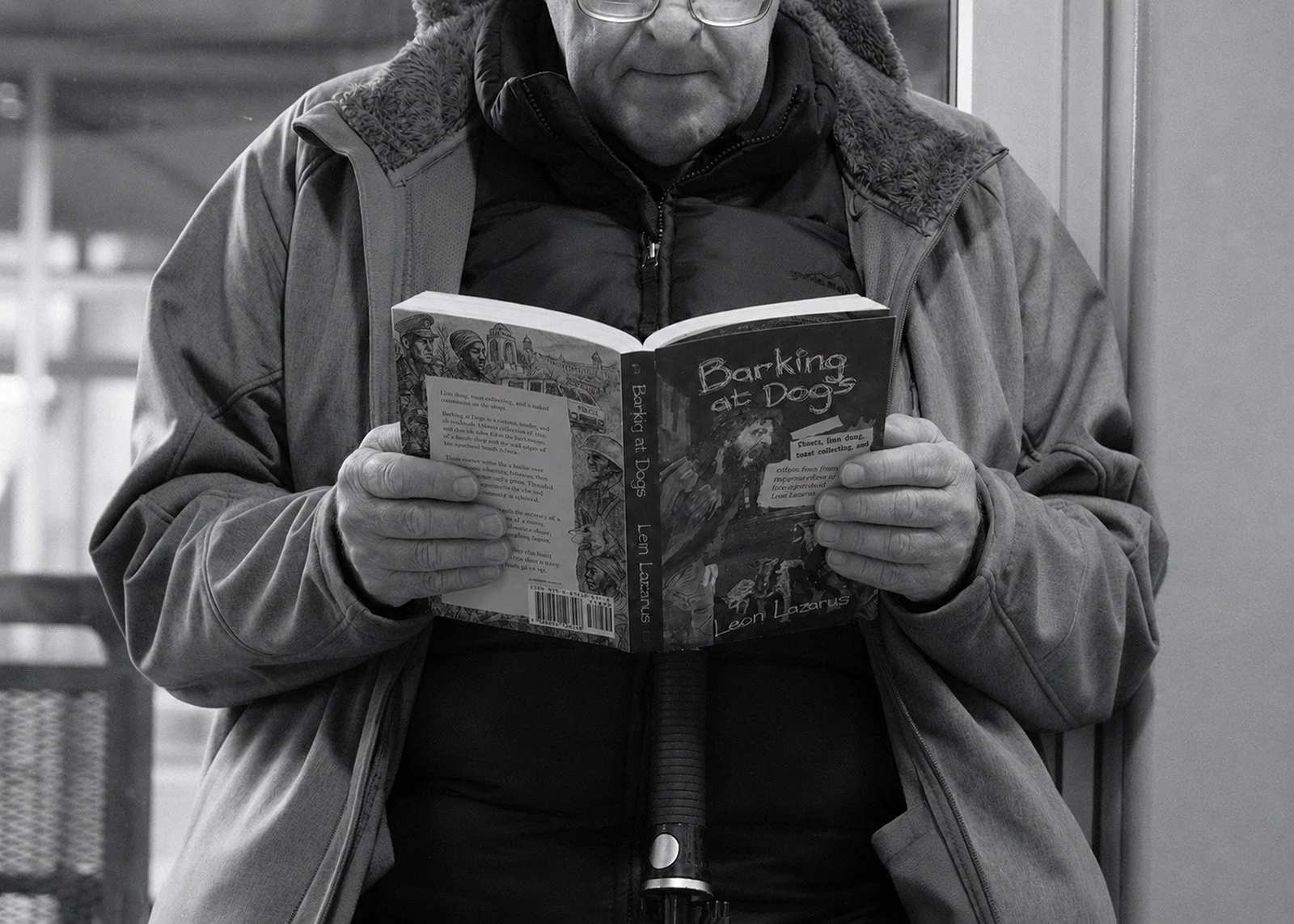
We started Studio Deiora this year with an idea that felt a little embarrassing to say out loud. We didn't want a bestseller. We wanted a book that landed hard with the niche group of people it was actually written for.
Before the AI slop boom, that sounded like a lack of ambition. Lately it sounds more like the plan everyone else is catching up to.
The publishing world spent decades chasing the widest possible audience for every title. Cast the net broad, sand off anything too specific, hope enough strangers bite. It worked, sometimes. It also produced a lot of books that belonged to no one in particular. Bland, formulaic books that are now hard to tell apart from the AI monster that gobbled them up.
What's changing now is the math. A reader looking for a very specific kind of story, told in a very specific voice, from a very specific place, can find it faster than ever. Algorithms, communities, word of mouth carried across group chats and reading circles all do work that used to take a marketing budget we never had. You don't need a million readers anymore. You need the right thousand, and you need them to actually feel found.
This book was written for the South African who left decades ago and still measures every biscuit against a Romany Cream.
That's always been the bet at Deiora, we just didn't have a name for it. When we published Barking at Dogs, we weren't trying to make a book for everyone who's ever read a memoir. This book was written for the South African who left decades ago and still measures every biscuit against a Romany Cream, for the reader in San Diego or Islington who wants a sense of place so specific it aches a little, for the person who grew up on the strange end of Africa and has spent years trying to explain it to people who weren't there. That's not a small ambition. It's just a precise one.
Precision asks more of a book, not less. It's easier to write something that could be about anywhere and could be about anyone. It's harder to write something so rooted in one particular house, one particular street, one particular family's way of arguing, that the right reader recognises it instantly and the wrong reader simply moves on. We'll take that trade every time.
This is what small on purpose actually means to us. Not modest for its own sake, and not a consolation prize for staying independent. It means choosing depth over reach when the two are in tension, which they usually are. It means we'd rather have a thousand readers who press the book into a friend's hands than ten thousand who finish it and forget it by the weekend.
We still want to be discovered. We still want the audience to grow. But we'd rather grow it one true reader at a time than flatten a book until it fits everyone and belongs to no one. The right thousand were always going to matter more to us than the million who were never going to read closely anyway.